Słodka x Zatta

Słodka x Zatta

Cover photo
van Oldenbarneveldtstraat 96C
1052 KH Amsterdam

Lecture at the AHK

27.02.2026

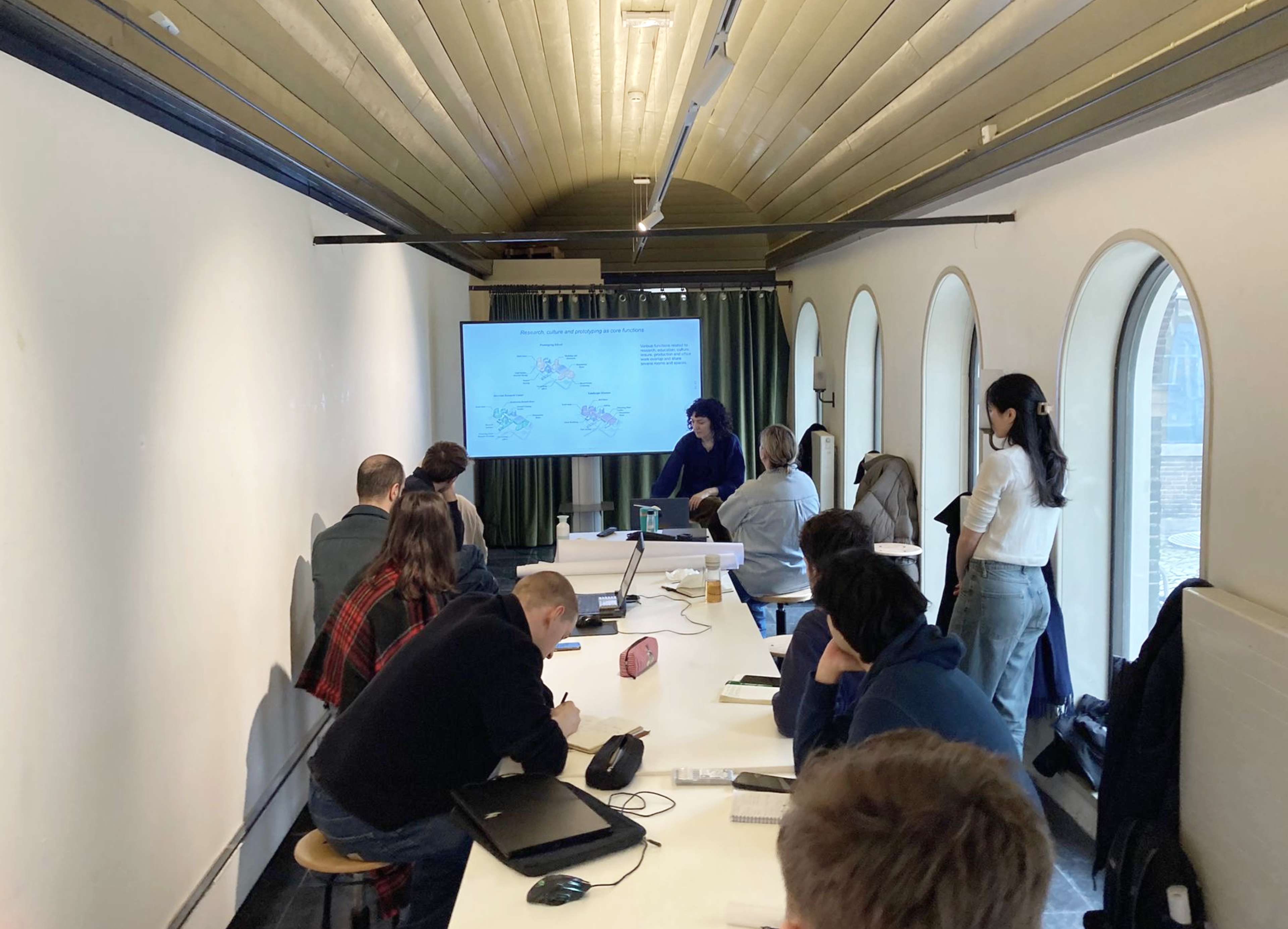
Federica has been invited to give a lecture on our work and approach towards bioregionalism to students at the Amsterdam Academy of Architecture, as part of the urban design course “Regenerative City Growth x Degrowth of the Former Peat Colonies of Drenthe x Overijssel”, led by Giacomo Gallo (New Environments).

Lecture at the AHK

Lecture at the AHK

Bioregional Buffer Strips

01.12.2025

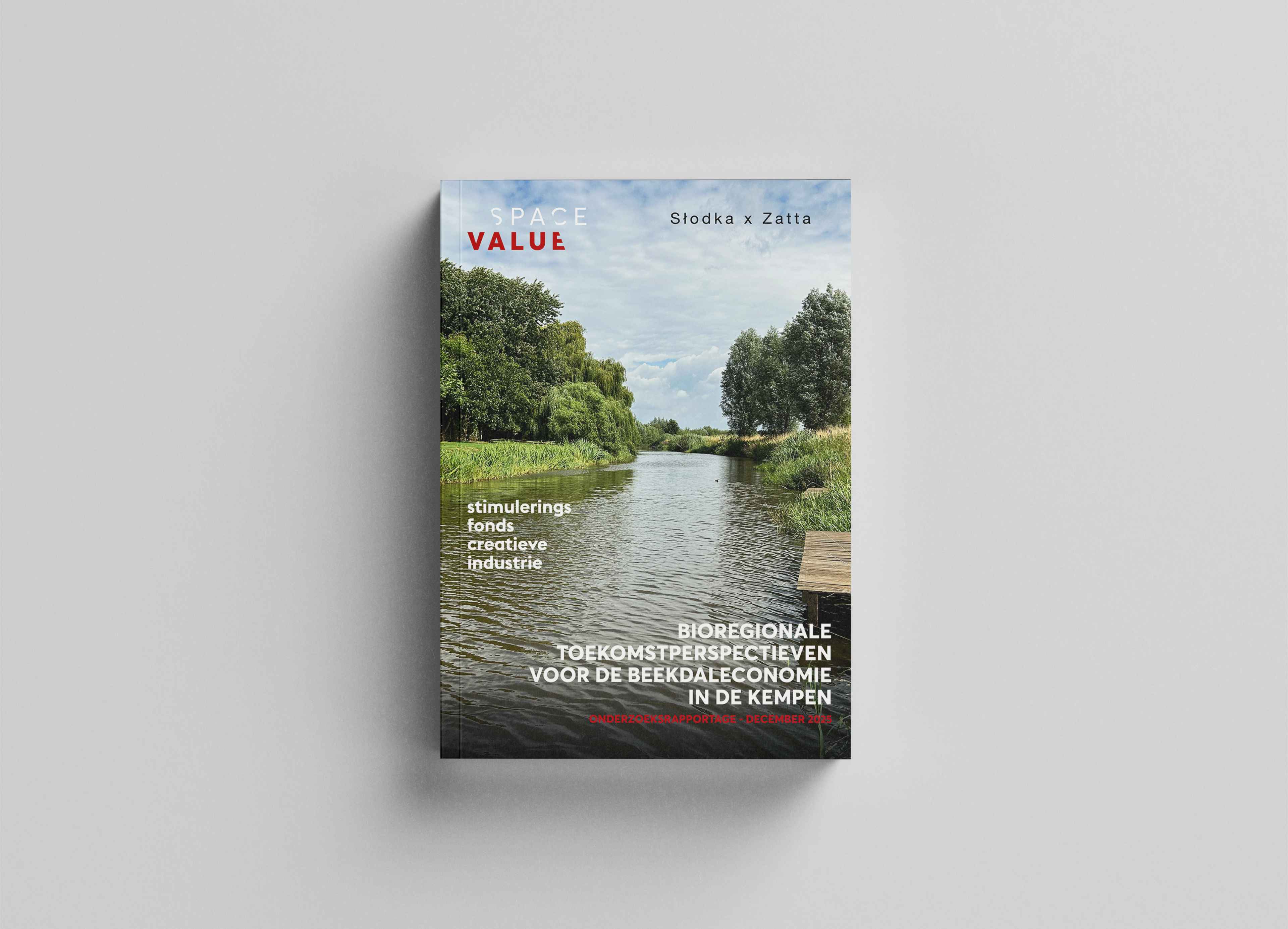
The first phase of our research together with Spacevalue into the cross-border Kempen region, between Noord-Brabant and the Province of Antwerp, is now complete. The report introduces bioregional buffer strips: productive landscapes that improve water quality through the cultivation of biobased building materials and create new regional value chains linking farming and construction.

Full report and project description: Bio-regionale toekomstperspectieven voor de beekdaleconomie in De Kempen

Bioregional Buffer Strips

Bioregional Buffer Strips

Nairs residency

09.12.2024

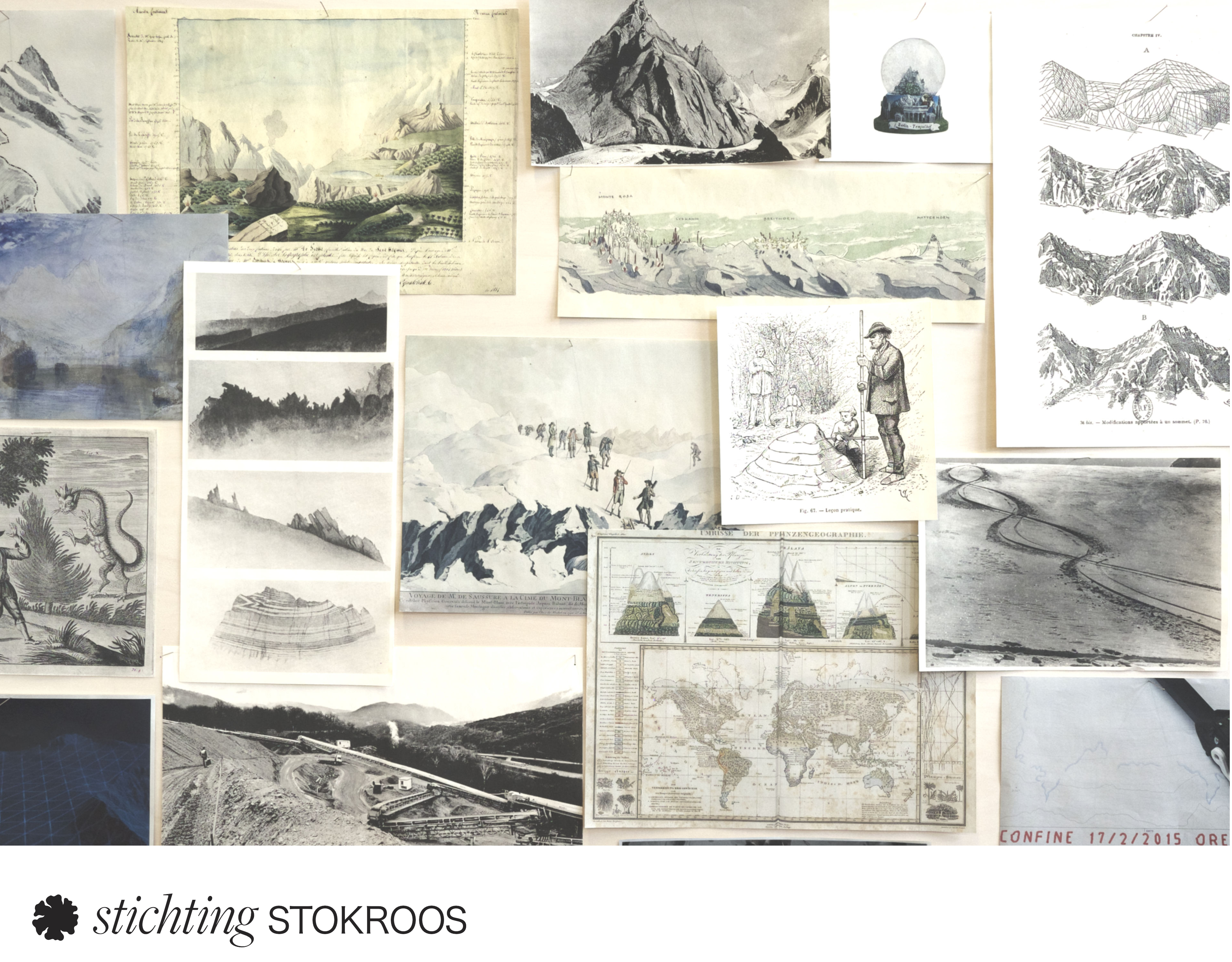
Federica has been selected by Stichting Stokroos to participate in the Nairs residency. She will spend 3 months in summer 2025 at the Fundaziun Nairs, in Switzerland, conducting research about alpine landscapes.

Nairs residency

Nairs residency

Europan Forum Madrid

17.10.2024

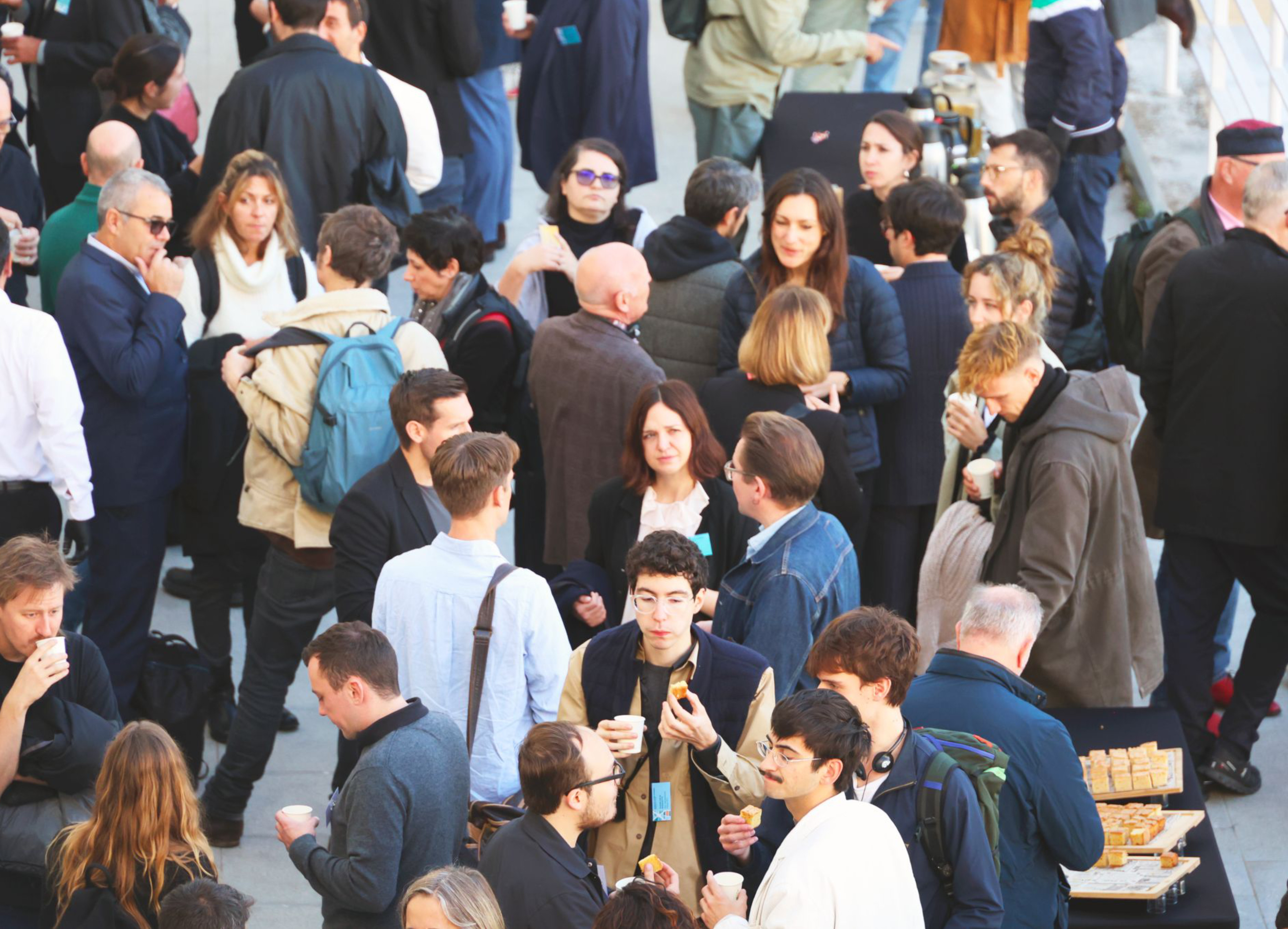
As winners of Europan17, we are in Madrid between October 17th-19th to attend the Europan Forum. We are contributing to a debate about the theme of ‘welcoming’, visiting some inspiring projects and meeting all the other winners.

Photo by Europan Europe

Europan Forum Madrid

Europan Forum Madrid

Hoe zit het nu met ’t Zoet?

20.06.2024

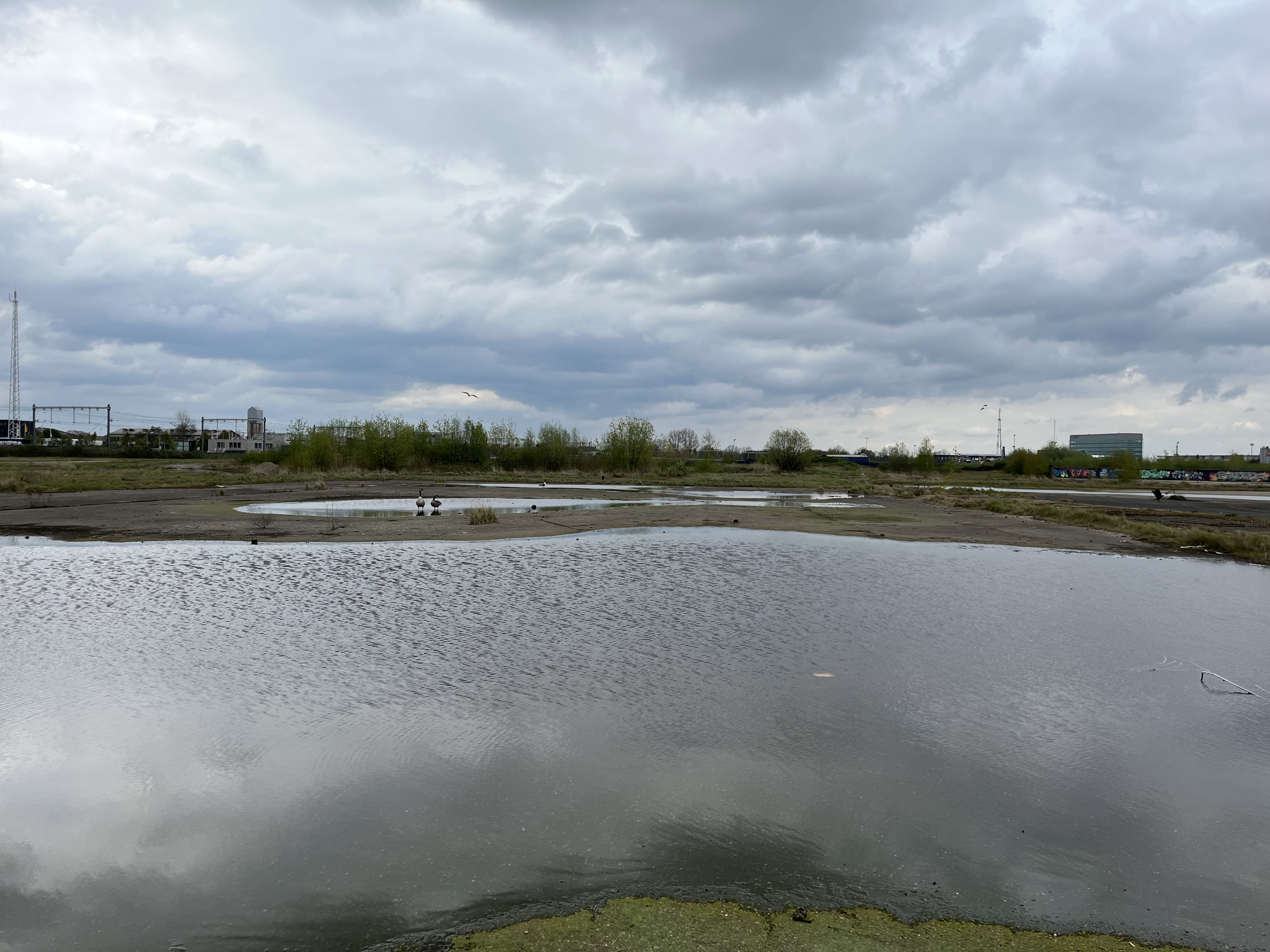
We are participating in the collective working session ‘Hoe zit het nu met ’t Zoet?’, organised by Gemeente Breda, CrossMark and Provincie Noord-Brabant. Selected stakeholders, residents and representatives have been invited to discuss the future of ’t Zoet. We are committed to see this area become a vibrant new neighbourhood, as a laboratory of innovative alternatives to traditional building practices.

Hoe zit het nu met ’t Zoet?

Izabela Slodka & Federica Zatta

Dag van de Architectuur

15.06.2024

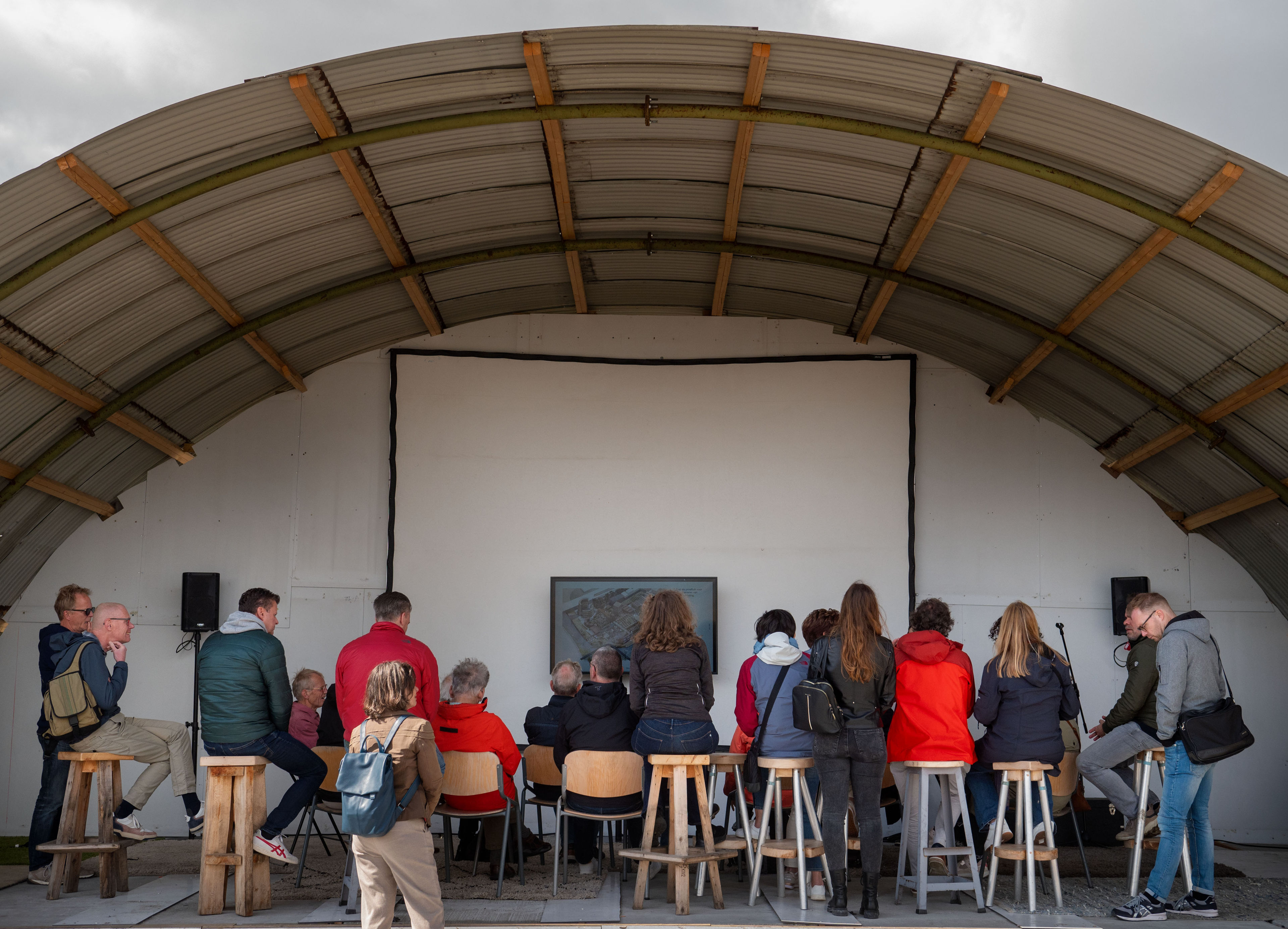
We have been invited to be part of the program of the Dag van de Architectuur, in Breda. Organised by BLASt, the event features a presentation on site ('t Zoet) of our Europan17 winning project ‘Strata-scapes’, among contributions of artists’ collective Observatorium, Shift A+U and Powerhouse.

Photo by Edwin Wiekens

Dag van de Architectuur

Dag van de Architectuur Breda

RA Maand '24

01.06.2024

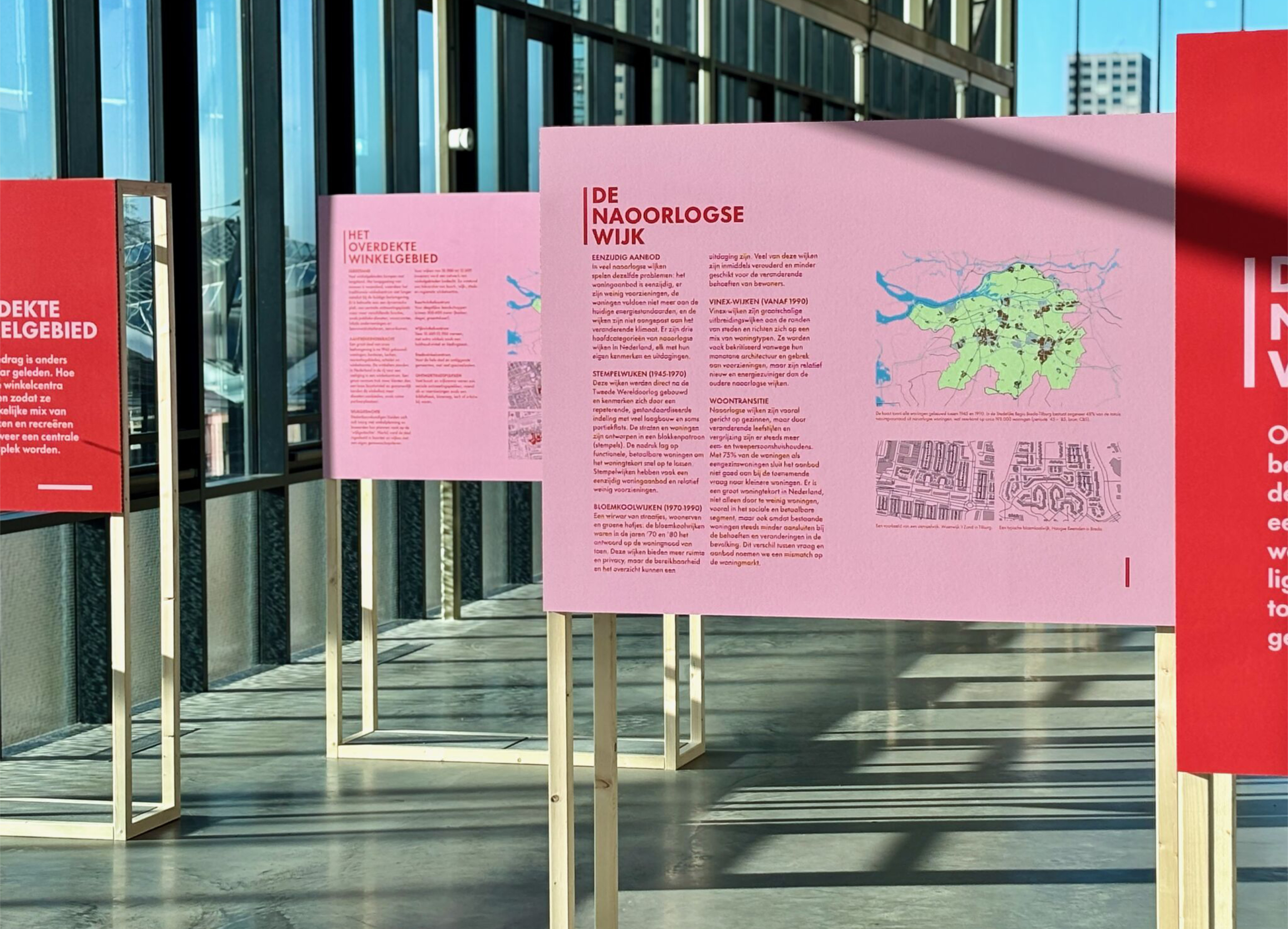
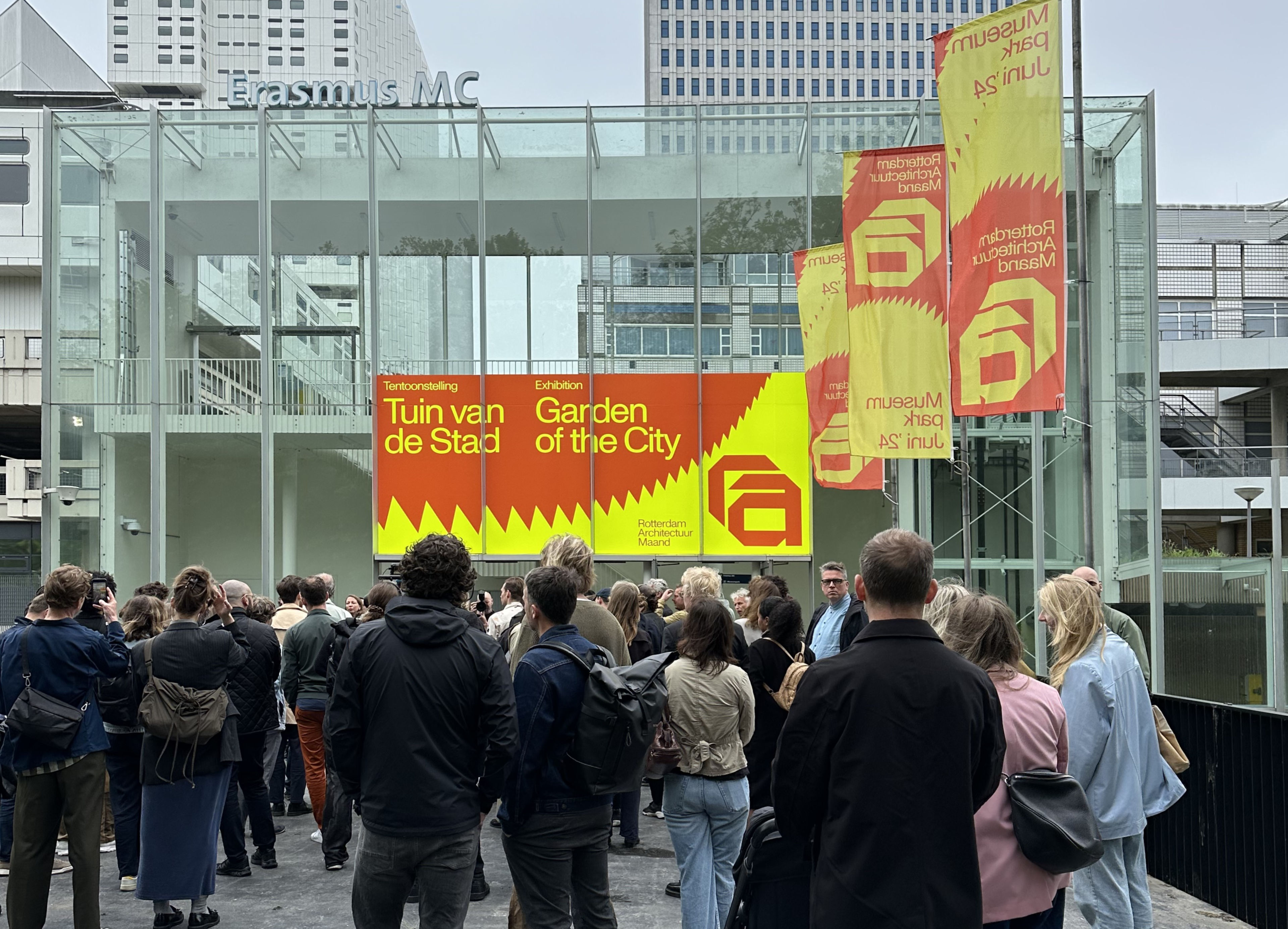
We are part of Rotterdam Architectuur Maand ’24! Our project ‘Productive Commons’ is included in the exhibition ‘Tuin van de Stad’. You can visit it until June 30th.

RA Maand '24

Izabela Slodka & Federica Zatta

South Korea trip

18.03.2024

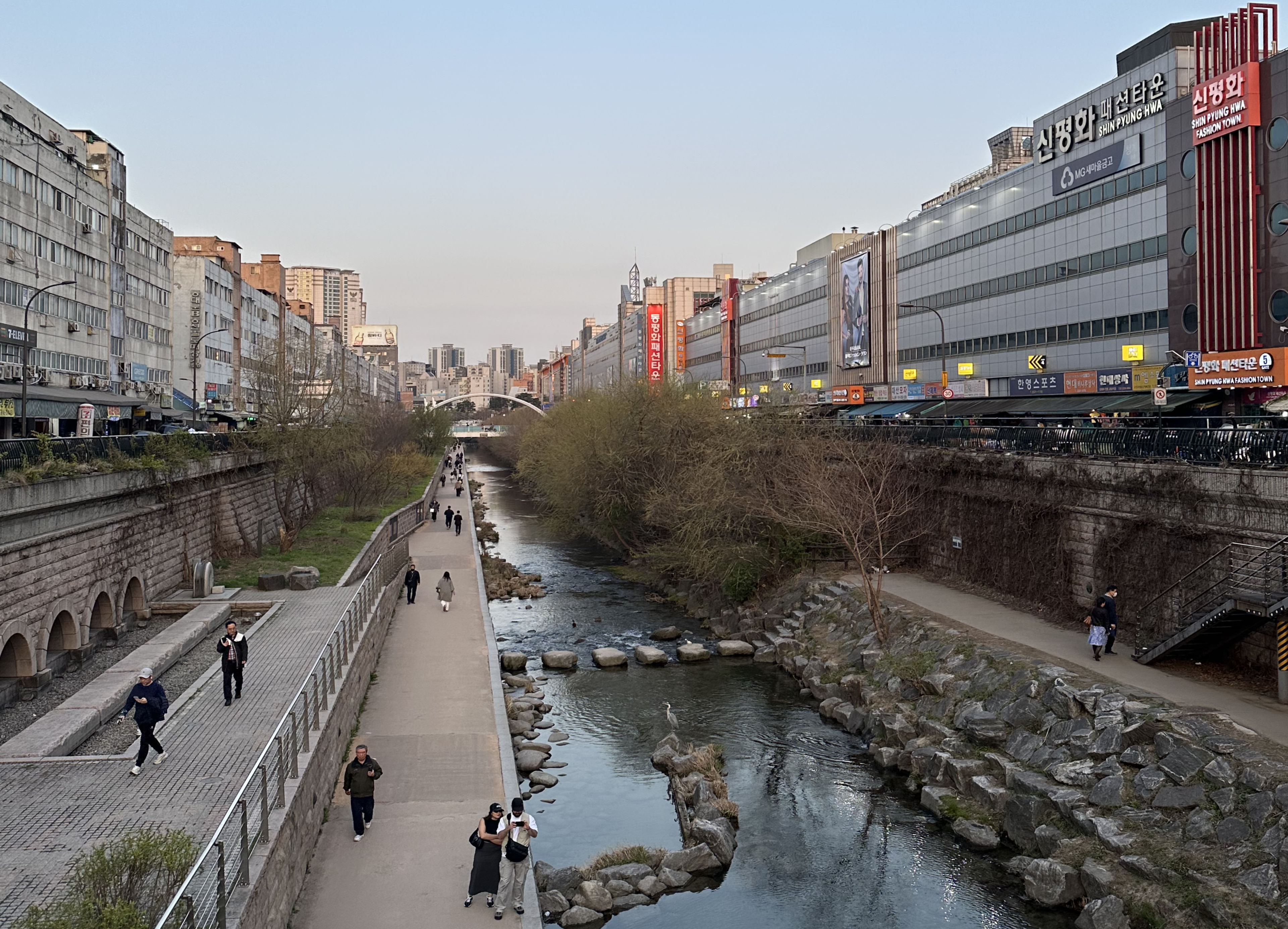
Federica, together with Myriam López Rodero, has organised a Design Studio at the Academie van Bouwkunst Groningen about future cities, focused on Seoul. She is now leading a group of students on a trip to South Korea, where they will meet numerous local architects and experts, have a workshop with other students from Soongsil University and visit their project site. The trip is also an occasion to meet and exchange ideas with Professor Jungin Kim, a fierce proponent of the use of bio-based materials like wood, instead of concrete, for construction in Seoul.

South Korea trip

South Korea AvBG

Architectenpoule kick-off

05.02.2024

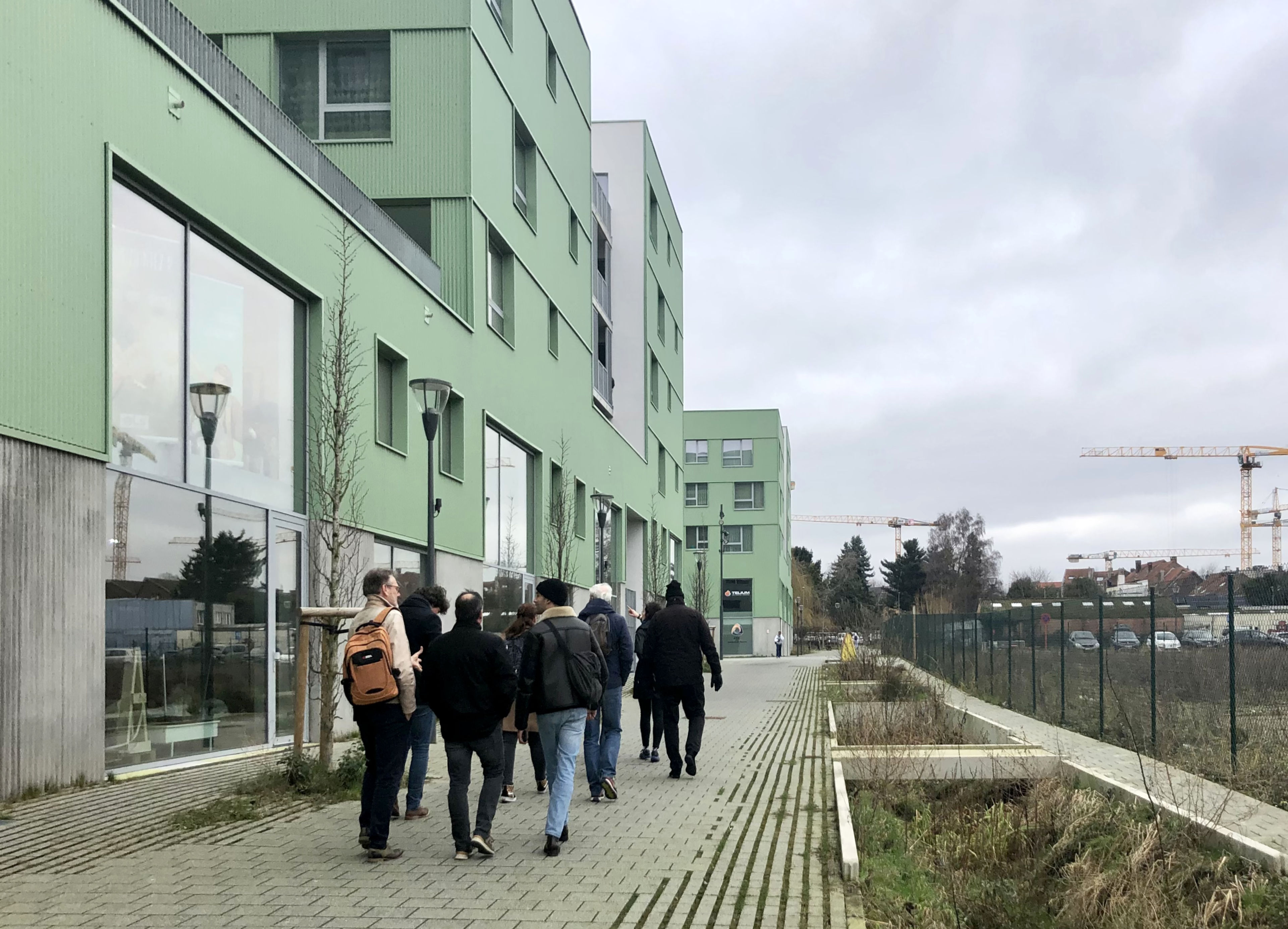
The Architectenpool Tilburg Business Parks has officially been launched. Together with Office KGDVS and &bogdan, we have been selected to work alongside Gemeente Tilburg and local entrepreneurs to develop new ideas for industrial areas in Tilburg. We kicked off the collaboration with a workshop and day trip to Brussels, to brainstorm and visit some of the best built examples of projects integrating production into the city.

Architectenpoule kick-off

Architectenpoule Tilburg

Forest (in) Transition

Forest (in) Transition reimagines Zlatica Park-Forest as a regenerative system within Podgorica’s green infrastructure. Situated at the geological threshold between karst foothills and the alluvial plain, the project adopts an ecotonal framework. By treating the park as a sequence of transitions—from forest core to urban edge—the design strengthens ecological connectivity and acts as a resilient climate buffer for the city.

The strategy counters the decline of the existing monoculture through three pillars: Living Soil, Inhabited Forest, and Microclimatic Design. We propose transitioning the site into a drought-tolerant mixed woodland, utilizing existing pines as a "nurse canopy" for new species like Macedonian oak and hop-hornbeam. Integrated rainwater harvesting transforms seasonal rainfall into a resource that sustains the forest and cools the microclimate during dry summers.

Social activity is woven into the forest through "Social Ecotones": a Cultural Axis, Sport Grounds, and Ecological Islands. Within these zones, architectural interventions act as "Microclimatic Devices" — hybrid structures combining social programming with water storage and cooling gardens.

type / competition: 3rd prize, landscape
location / Zlatica Forest-Park, Podgorica, Montenegro
year / 2025
collaborators / Nafsika Efklidou, Susan Isawi

Forest (in) Transition

Bio-regional buffer strips

The project explores how bio-based construction materials could be produced in the sandy region between Noord-Brabant and the Province of Antwerp, addressing urgent housing and urban development needs. It defines this cross-border area as a single bio-region, shaped by river valleys that connect Belgium and the Netherlands in ecological and cultural terms.

Through this lens, we have examined local farming practices and found that they exert strong pressures on water systems, contributing to the Netherlands having the lowest water quality levels in the EU. Recognizing this challenge alongside the growing demand for housing, we embraced a bioregional approach to the use of resources — working with natural systems and seeking to generate ecological and social benefits, rather than depletion — and defined the concept of bio-regional buffer strips. We envisioned these landscapes along waterways as areas where bio-based construction materials can be cultivated, while restoring soil and water quality through phytoremediation. Beyond their productive role, these strips act as climate-adaptation tools, managing floods and droughts, supporting biodiversity, strengthening local economies, and offering spaces for recreation.

By linking sustainable urban development to ecological restoration, the project demonstrates how healthy cities and resilient landscapes can be built together, rooted in the natural and cultural fabric of their region.

type / research-by-design, landscape
location / beekdalen van Aa of Weerijs en Bovenmark
year / 2024-ongoing
collaborators / Spacevalue, ROOTZ
involved parties / Waterschap Brabantse Delta, Gemeente Zundert, Gemeente Breda

Supported by Creative Industries Fund NL (Open Oproep Over grenzen)

Bio-regional Buffer Strips

Grounds of Repair

In collaboration with Tim van den Burg (Bredase Bomen) and the Municipality of Breda, we are conducting research and a feasibility study for a new site for Bredase Bomen’s operations. This project explores the potential to expand the area into a multifunctional hub that supports diverse businesses, provides shared spaces and services, highlights circular materials, and incorporates public amenities accessible to all Breda residents. The vision is a layered redevelopment that integrates soil regeneration, landscape interventions, the cultivation and testing of bio-based materials, alongside dedicated educational and recreational zones.

Through hands-on research, we are mapping existing structures and materials suitable for reuse, analyzing material and activity flows within local companies, and identifying potential partners such as universities and businesses. A series of meetings and workshops supports the development of flexible scenarios that respond to different needs, scales, and phases of implementation.

The project aims to evolve into a built prototype— an innovative circular area that functions as both a community anchor and public hotspot throughout the long-term development of the ’t Zoet neighbourhood.

type / research, participation process, design
location / ‘t Zoet, Breda, NL
year / 2024-ongoing
involved team / Tim van den Burg (Bredase Bomen), PlaSTiEK, Erik van den Berg, Gemeente Breda

Supported by Creative Industries Fund NL (Talent Development)

Grounds of Repair

New Industrial: Tilburg

Commissioned by the Municipality of Tilburg as one of the selected teams within the Architectenspool, we have been conducting a series of studies on industrial sites in Loven and Kraaiven. The aim is to explore strategies for land-use optimization, densification, and climate adaptation, while also enhancing the architectural quality of industrial buildings.

Our approach centers on unlocking the hidden potential of these often-overlooked areas by:

· Encouraging shared use of functions among multiple businesses, including parking, communal and recreational facilities, logistics routing, and flexible storage.
· Designing mixed-use, multistory, and adaptable structures.
· Improving access to shared amenities and enhancing the spatial experience for both workers and visitors.
· Clarifying site layout by separating pedestrian and truck flows.
· Expanding green infrastructure to mitigate the urban heat island effect and improve rainwater buffering.
· Strengthening business identity and visibility.

Industrial areas are often pushed to the urban margins, yet they remain both vulnerable and underutilized. We see in them untapped potential to tackle climate issues, promote circular reuse, and advance spatial justice. By making these zones more efficient, compact, and climate-adaptive, we can better integrate them into the urban fabric and transform them into vital, future-proof parts of our cities.

type / vision, sketch design
location / Tilburg, NL
year / 2024-ongoing
client / Gemeente Tilburg

New Industrial: Tilburg

Strata-scapes

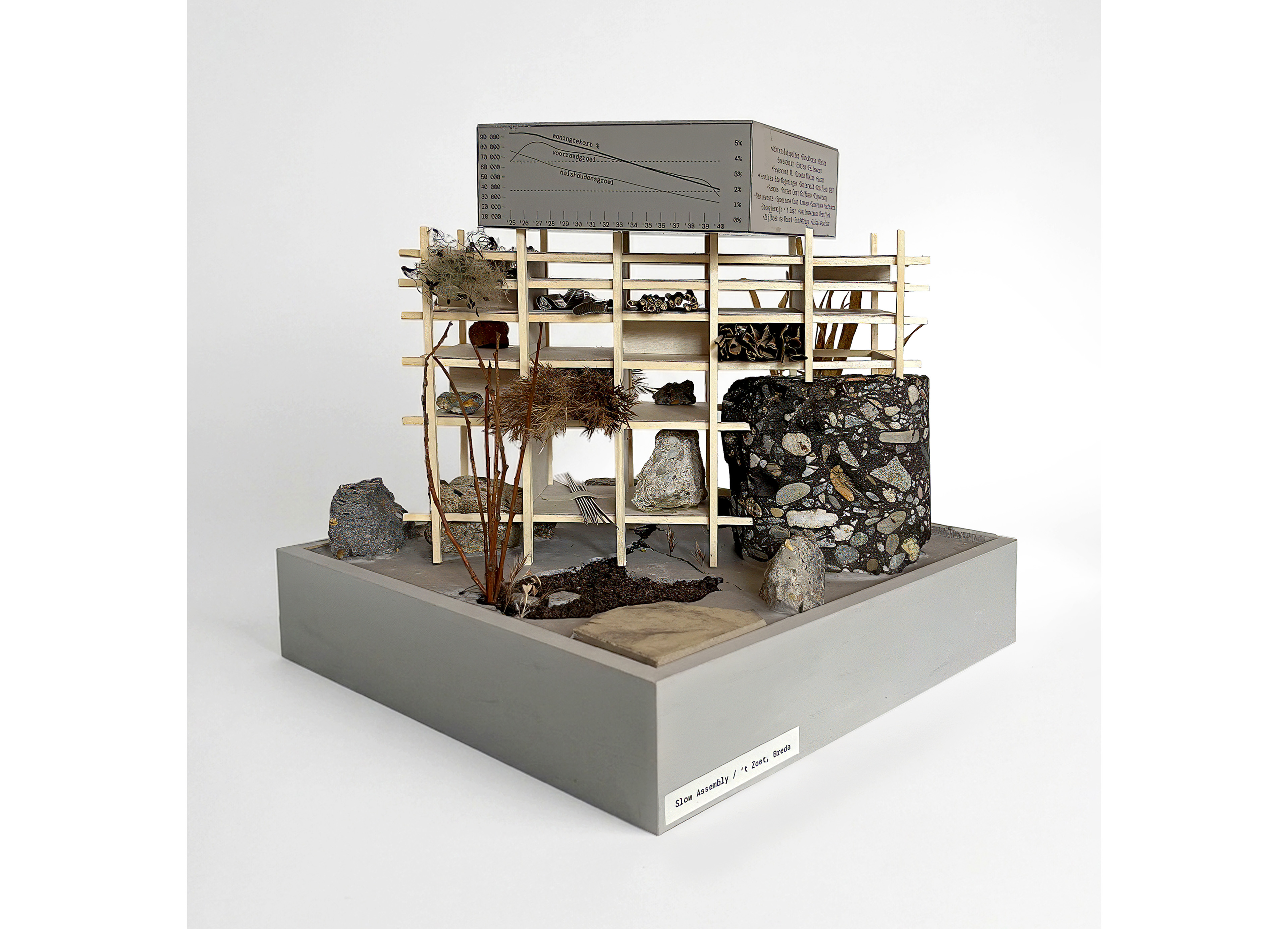
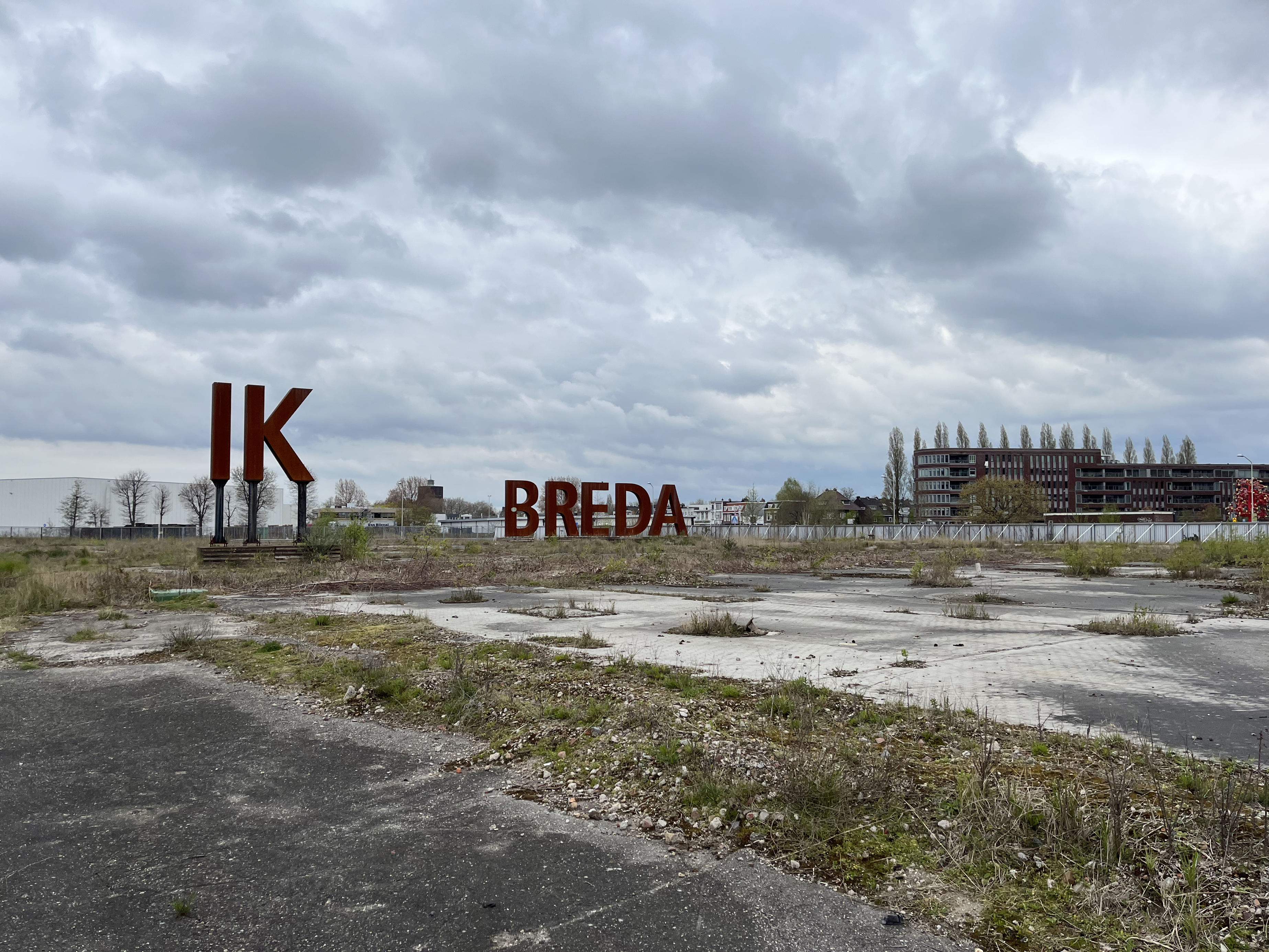
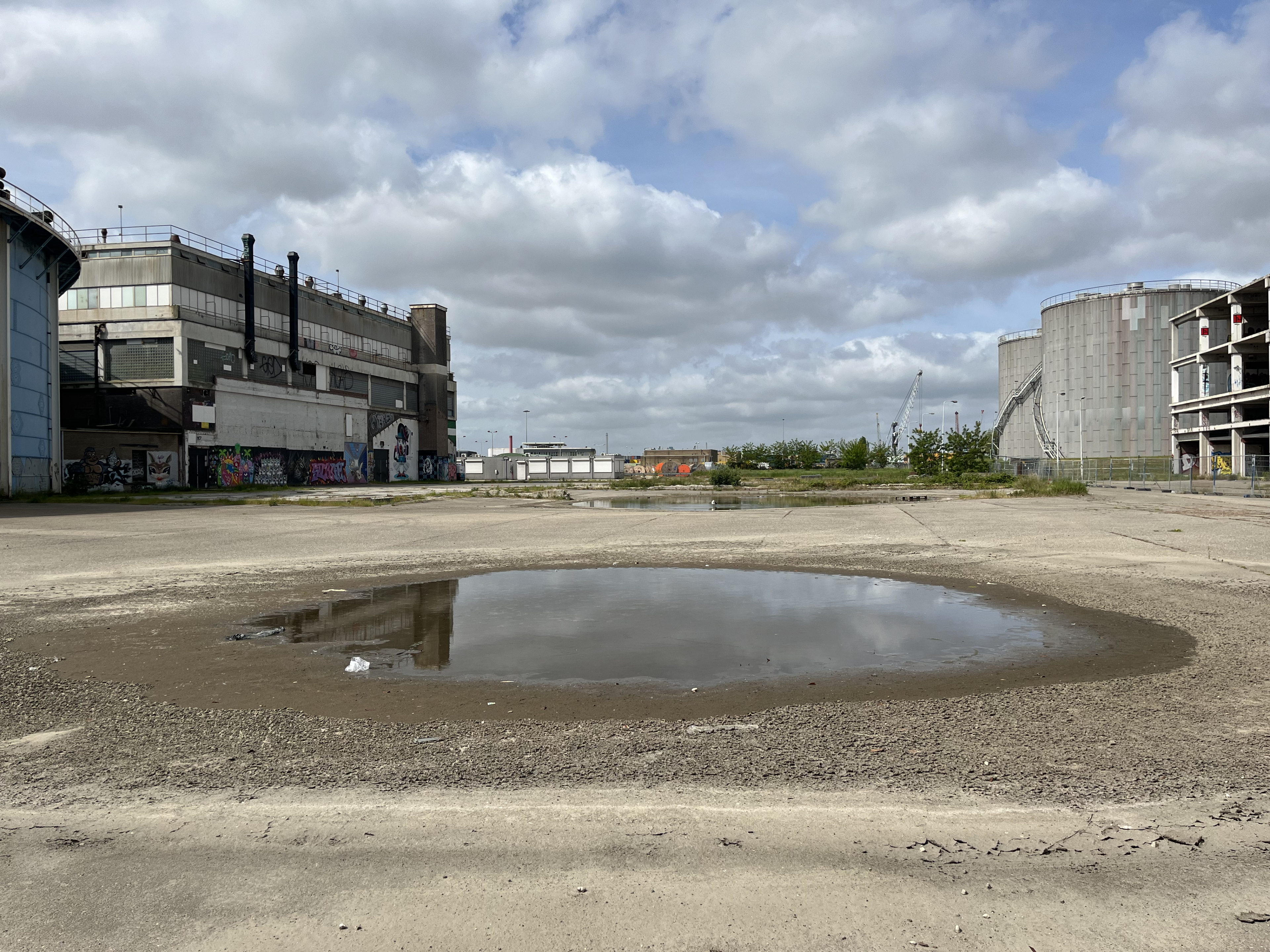
"Strata-scapes" is a transformative strategy aimed at converting a former industrial and now vacant site into fertile grounds for pioneering landscapes and the experimentation with bio-based materials.

The project proposes a new way of urban development, building upon existing foundations and embracing traces of its spontaneous nature. To initiate the development process, we introduce Basic Infrastructures addressing essential technical and social needs. We combine them with Testing Grounds—areas for experimentation, and cultivation of biomaterials. Finally we complete them with Biobased Infills - architecture and structures made from material produced on-site.

In our vision, 't Zoet becomes a spatial laboratory: its architecture is a living assemblage that can evolve over time. The nurturing of a living environment is embedded not only in the design of its spatial layout and maintenance, but also in the conceptualisation, regeneration, production, and construction of its components.

type / competition: 1st prize, research-by-design
location / 't Zoet, Breda, NL
year / 2023-2024
size / 3 ha

Photo (last) by Edwin Wiekens

Strata-scapes

Productive Commons

“Productive Commons” is a vision for a series of temporary interventions at the intersection of living and working, integrating circular and modular structures and regenerative landscapes. The structures draw inspiration from M4H's industrial heritage, weaving past narratives with future aspirations. They serve as flexible platforms, fostering productivity beyond economic gains, nurturing local ecosystems, and supporting communal activities.

Each of the interventions links to existing productive activities, offering support and resources - clean water, soil, material storage and shelter. All of them are modular and easy to assemble, disassemble and modify - in order to be expanded, moved or removed over time with the help of a local community. Proposed structures are supported by a landscape strategy that gradually makes the space safe, habitable, and attractive for new communities of people, plants, and animals.

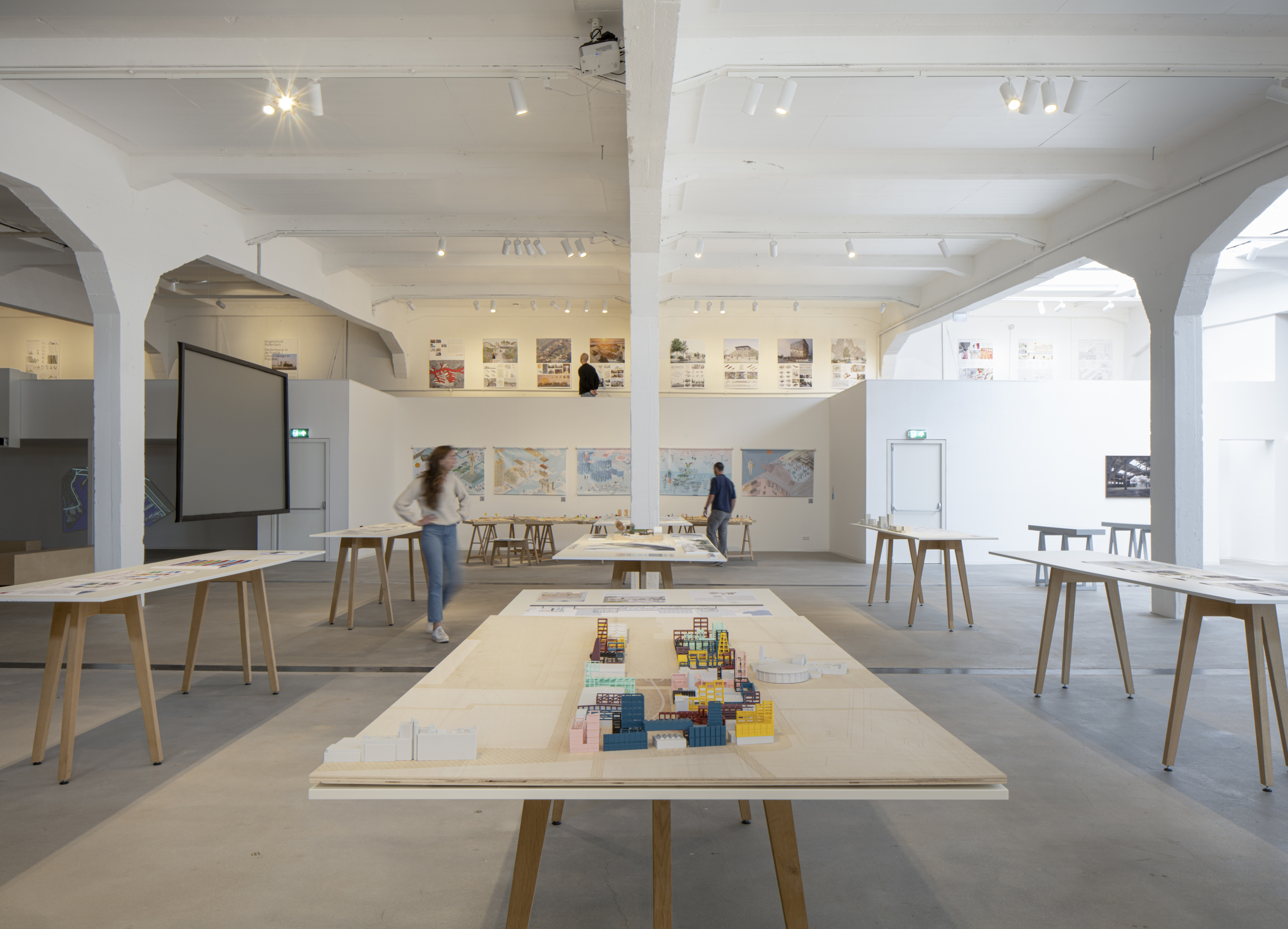
The project was part of the exhibition HOE WILLEN WIJ WERKEN M4H 2030 (2022, KeileZaal, Rotterdam), organized by KeileCollectief, and was made possible by the Fleur Groenendijk Foundation. It was also exhibited as part of Rotterdam Architectuur Maand ‘24.

type / research-by-design, exhibition
location / Keilekwartier, Rotterdam, NL
year / 2023
size / 5,5 ha
client / KeileCollectief
collaborators / Adi Samet, Agnieszka Batkiewicz, Andrea Bit and Maciej Wieczorkowski

Photo (last) by Margarita Kouvatsou

Productive Commons

methods

Słodka x Zatta is a multidisciplinary design practice operating at the intersection of regional strategies, multi- stakeholder research, urban design, and local prototyping. Our methodology is grounded in deep site analysis, re-evaluating overlooked qualities and maximizing existing resources through adaptive reuse and climate-responsive design.

We reject the traditional dichotomy between “built” and ʼnatural” environments, instead understanding each site as an assemblage of material flows, cultural narratives, and interspecies relationships. Our aim is to develop proposals that combine environmental repair with high- quality social infrastructure.

Our practice is structured around three core themes: Bioregionalism, Circular Metabolism, and Climate Adaptation. These themes are translated through multi-scalar research and design, where long- term frameworks evolve into tangible, site-specific interventions and prototypes.

Our work goes beyond the design of static spaces to address the architecture of processes, systems, and networks. By collaborating with municipalities, water boards, and local industries, we engage complex societal challenges while advocating for shared environments that are resilient, dynamic, and socially just.

methods

bios

Izabela

Izabela Słodka is an architect and urban designer specializing in adaptive reuse, transformation strategies, and the concept of the Productive City. Her work explores the integration of living and making by leveraging both tangible and intangible resources. She teaches regularly at architecture academies in the Netherlands and abroad. Izabela is a multiple winner of the Europan competition (E15, E16, and E17) and a recipient of the Talentontwikkeling grant from Stimuleringsfonds Creatieve Industrie. She studied in Poland and in the Netherlands, obtaining her Master degree from TU Delft.

Federica

Federica Zatta is an architect and researcher, who has extensive work experience in the fields of landscape and urban design, with a particular focus on climate adaptation and nature-based solutions. She holds a teaching position at the Academie van Bouwkunst in Groningen, where she has also formerly been a Research Methodology lecturer, and has taught Design Research and Communication at the Rotterdamse Academie van Bouwkunst. She studied between Italy, Chile and The Netherlands and obtained a post-graduate degree cum laude from The Berlage Center for Advanced Studies in Architecture and Urban Design.

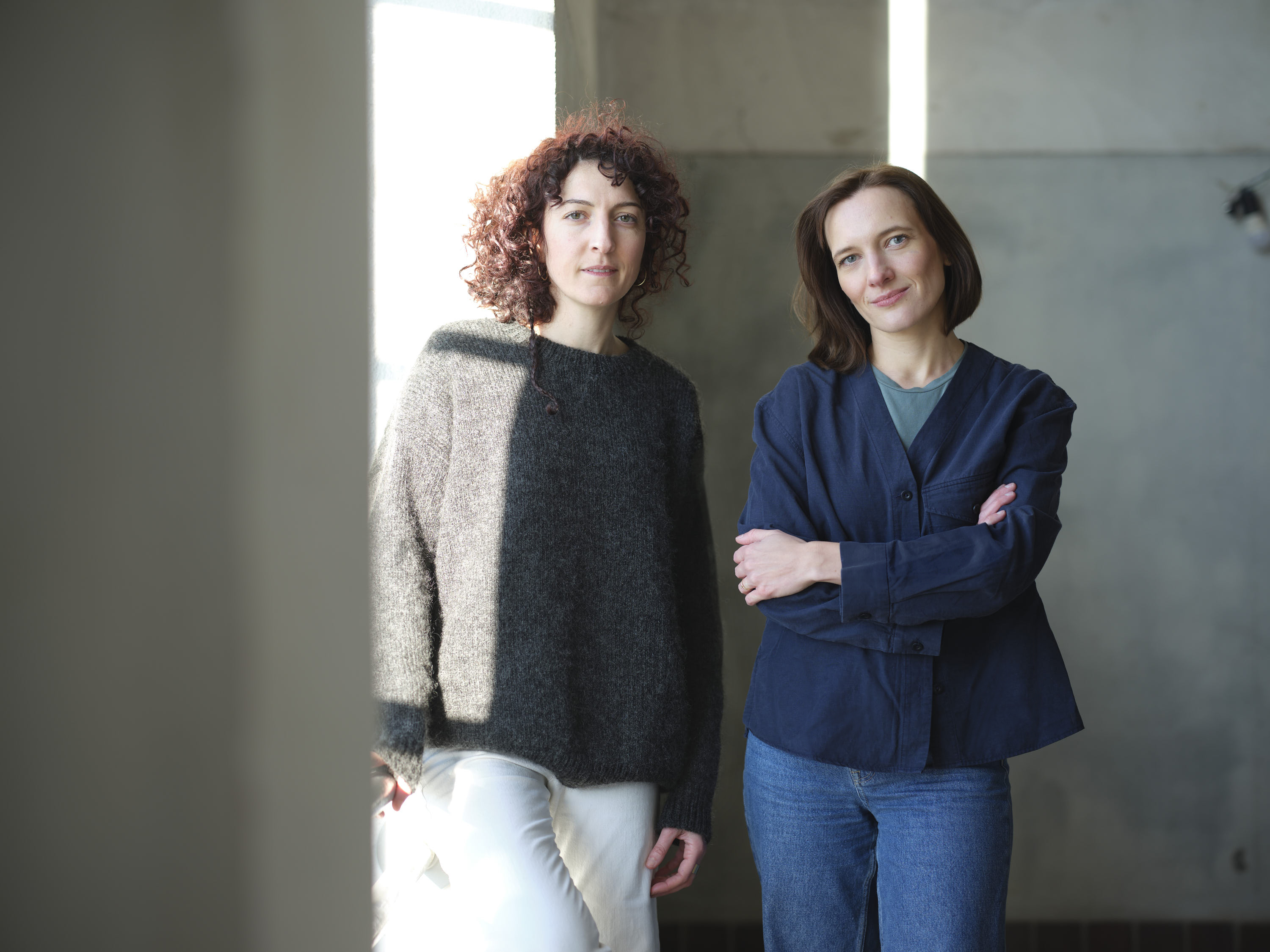
Photo by Tim Stet

bios

Izabela Slodka & Federica Zatta

selections

2025 / Stimuleringsfonds Creatieve Industrie Talentontwikkeling grant for Federica Zatta
2025 / Nairs Residency (Switzerland) for Federica Zatta, supported by Stichting Stokroos
2024 / Stimuleringsfonds Creatieve Industrie Talentontwikkeling grant for Izabela Slodka
2024 / Architectenpoule Tilburgse bedrijventerreinen, Tilburg NL
2023 / Europan 17 Strata-scapes, 1st prize, ‘t Zoet, Breda NL
2023 / Fleur Groenendijk Foundation Productive Commons, 1st prize, Rotterdam NL
2021 / Europan 16 Tracing Domains 2nd prize, Klagenfurt AT, with Xander van Dijk
2021 / Culture Campus Mozaïek aan de Maas, Rotterdam NL
2019 / Europan 15 Makers’Maze, 1st prize, M4H, Rotterdam NL, with Erica Chladova
2016 / YTAA Mies van der Rohe Award Collage & Continuity, nomination, Krakow, Poland

Photo by Frank Hanswijk, Aard van de Plek expo in Keilepand, 2021

selections

Izabela Slodka & Federica Zatta